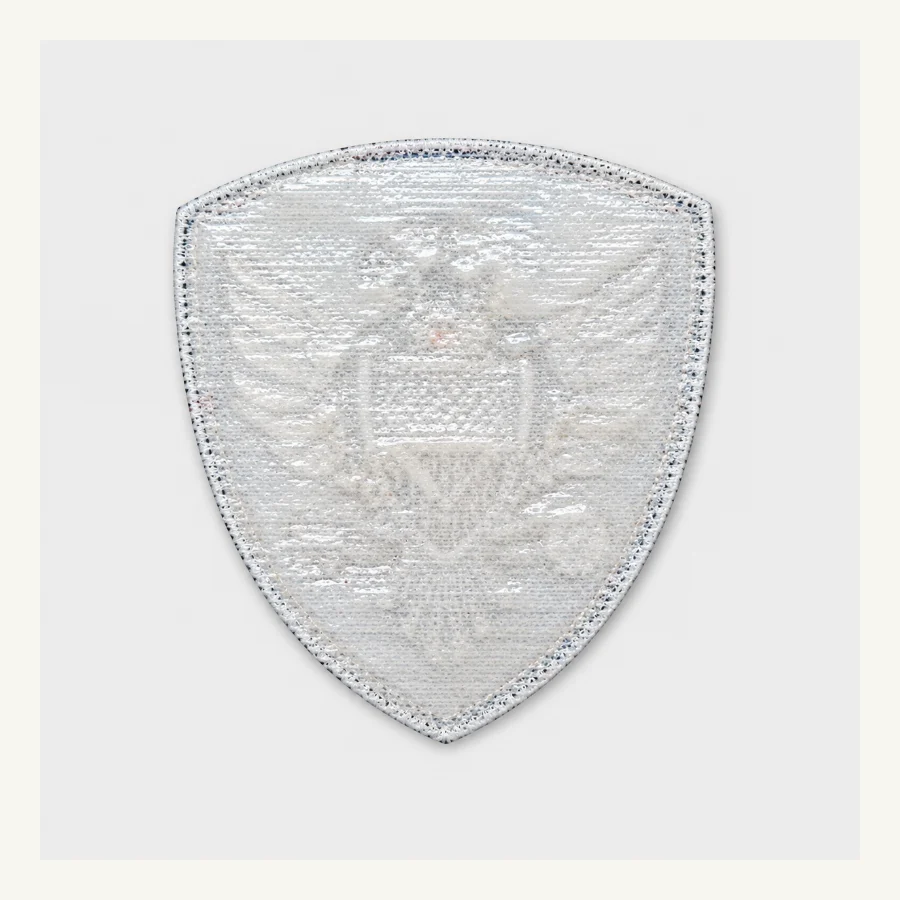
Iron-on patches include a heat-activated adhesive layer on the back of the patch. During application, heat and pressure melt the adhesive so the patch bonds to the garment surface. This backing can be convenient for uniforms, denim jackets, tote bags, casual apparel and event merchandise.
Fabric suitability comes first
Not every fabric is a good match for heat. Cotton, denim and many sturdy woven fabrics are common candidates. Delicate synthetics, waterproof coatings, stretch fabrics and heat-sensitive materials may not respond well. If the garment cannot tolerate heat, sew-on or hook-and-loop backing may be a better choice.
Durability expectations
Iron-on backing is convenient, but it should be matched to the real use case. Garments that face heavy washing, industrial cleaning or constant abrasion may need stitch reinforcement. Many buyers use iron-on backing to position the patch cleanly, then add sewing around the edge for extra security.
Proof details to check
The production proof should list iron-on backing clearly. It should also confirm material, border, size and shape, because these details influence how the patch handles heat application. A larger patch or thick raised border may need different pressure than a small flat woven patch.
If the project needs quick application but long-term wear, ask whether iron-on plus sewing is the best plan. If you are comparing alternatives, read the custom patch backing options guide.