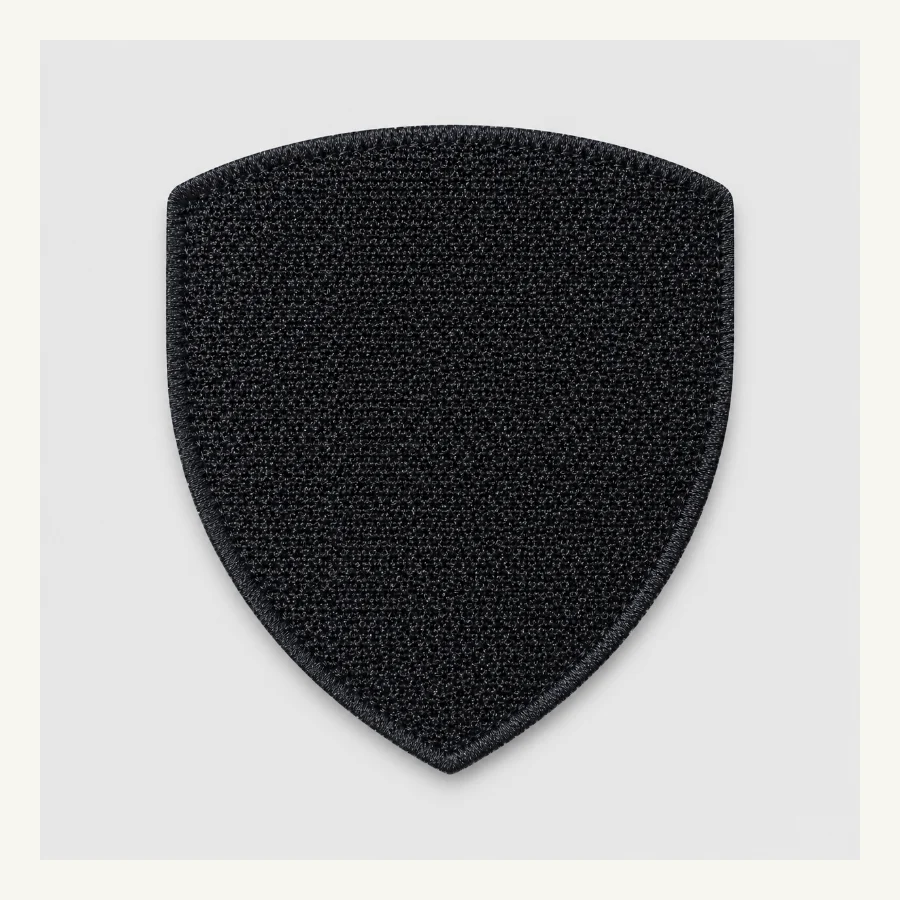
Velcro patches are usually custom patches with hook-and-loop backing. The patch side is paired with a loop panel on the garment, vest, hat, bag or equipment. This backing changes the role of the patch: instead of being a permanent label, it becomes a removable identifier.
Best uses for hook-and-loop backing
Hook-and-loop backing is common for tactical patches, name patches, morale patches, uniform units, outdoor gear, backpacks and event staff badges. It is especially useful when the wearer changes roles, departments or designs. A single jacket or bag can carry different patches at different times without sewing each one in place.
Which patch materials work well?
Embroidered patches, PVC patches and woven patches are all common with hook-and-loop backing. PVC works well when the surface needs a rugged molded feel. Embroidery gives a classic stitched look. Woven patches keep small lettering cleaner. The right material depends on artwork detail, color count, thickness and use environment.
What to confirm before production
Confirm the finished patch size, backing color, edge style and whether the order needs only the hook side or both hook and loop sides. Some buyers already have loop panels sewn onto garments. Others need matching loop panels supplied with each patch. This detail should be listed clearly in the production proof.
Hook-and-loop backing adds thickness, so it should be considered during size and placement planning. For small hat patches, keep the artwork simple and the edge clean. For larger tactical or shoulder patches, confirm that the patch shape has enough surface area to hold securely.
Need help comparing backing types? Read the full custom patch backing guide or request a recommendation through the quote form.