Custom Sew-On Patches
Order sew-on patches for durable attachment on jackets, uniforms, hats and bags with material guidance and proof approval.
Custom patches for brands, teams and merchandise
Self-adhesive patches are usually better for temporary use, packaging or display applications. Sew-on backing is often better for garments, bags and high-wear items.
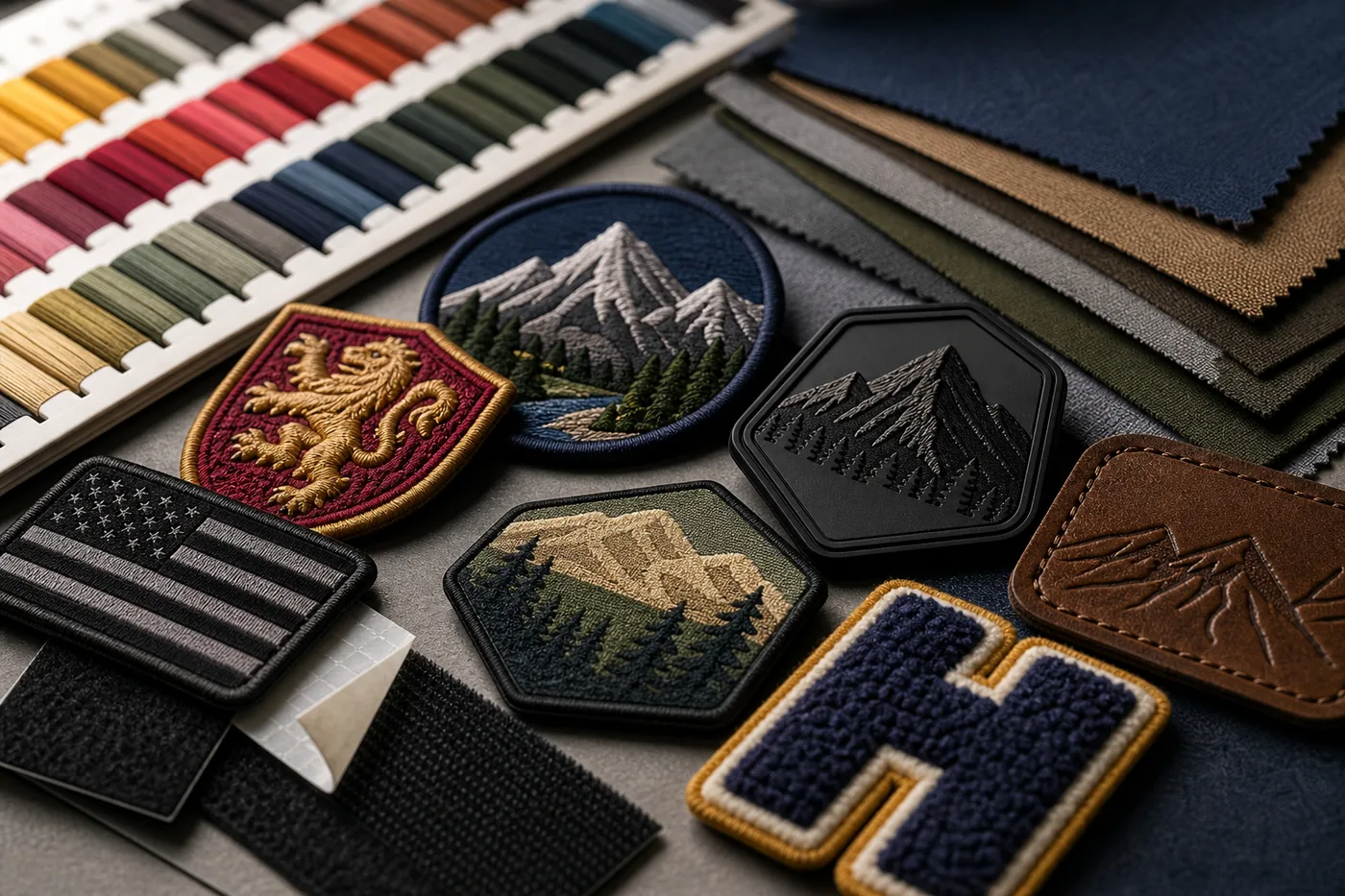
Self-adhesive patches are usually better for temporary use, packaging or display applications. Sew-on backing is often better for garments, bags and high-wear items.
Self-adhesive backing is generally for temporary or low-wear use, while sew-on backing is the practical option for durable garment attachment.
The customer reviews and approves the digital proof before bulk production is arranged.
Finished product or shipment photos are provided before dispatch, with tracking information after shipping.
FAQ
Answers below use only confirmed Heypal Patch order information: standard MOQ, paid samples, proof approval, PayPal payment, shipment photos and international shipping coordination from China.
The standard MOQ is 50 pieces for embroidered patches and 100 pieces for most other patch types. Final requirements may depend on the design, size and production method.
Yes. Physical samples are available with a sample fee. The fee depends on the artwork, size, number of colors, material and production requirements.
A digital proof is usually prepared within approximately 3-4 days after the order information and artwork requirements are confirmed.
Bulk production usually takes approximately 8-10 days after the customer approves the digital proof. Timing may vary depending on the patch type, quantity and artwork complexity.
Yes. The customer reviews and approves the digital proof before bulk production is arranged.
Related guides
Order sew-on patches for durable attachment on jackets, uniforms, hats and bags with material guidance and proof approval.
Related custom patch information for buyers.
Learn practical care guidance for custom patches on hats, jackets, uniforms and bags.
Send artwork, quantity, size and shipping country so Heypal Patch can review the project details.
Send your artwork, size, quantity, preferred patch type and shipping country. Heypal Patch will review the details and prepare a quotation based on confirmed requirements.